Health and Human Services proposes more funding for childcare in next two-year budget
Nov 19, 2026 | 5:00 am ET

Description
Compared to the budget for state fiscal years 2026 and 2027, the Department of Health and Human Services wants to use more state dollars for childcare initiatives. (Photo by Dana Wormald/New Hampshire Bulletin)
Another budget season has officially begun, and more childcare funding could be on the way.
Last month, New Hampshire’s state agencies published their ideal budget for the next two years, marking the first step in the months-long process to fund a new round of state operations.
Constructing the state’s biennial budget starts at individual agencies, each of which drafts a budget request and presents it to the governor. Budget proposals include funding for employee salaries and benefits, equipment, technology services and money that will be required to satisfy “a particular mission and/or mandated purpose during the current fiscal year.”
On Tuesday, the Department of Health and Human Services, which houses the Bureau of Child Development and Head Start Collaboration, the state’s childcare governance authority, presented its budget to Gov. Kelly Ayotte’s team. There, DHHS Commissioner Lori Weaver advocated for the use of state general funds for the childcare workforce grant.
“As a prioritized need, there is the 7½ million dollars for the childcare recruitment and retention program that was funded with general funds in the prior biennium,” Weaver said to a room of Ayotte’s budget advisers.
The childcare workforce grant is a program aimed at improving childcare capacity and availability by giving programs funding to help recruit and retain employees. In its plan for fiscal years 2026-2027, Health and Human Services proposed funding the grant with state general funds.
However, amid a budget shortfall, the Legislature decided to try an unusual maneuver and fund the program using federal Temporary Assistance for Needy Families dollars. The method required federal approval, which was denied, resulting in a back-and-forth between the state and federal government that ended with the money never reaching providers.
The initiative was one of the most important for childcare providers this past legislative session, as they tried to get the Legislature to approve multiple bills that required the workforce grant to be paid for using general funds as originally intended. The department is now making the grant a “prioritized need” for the next biennium.
Just like last biennium, the department wants to allocate $7.5 million in both 2028 and 2029 for the grant program.
Additionally, DHHS proposed increased state funding for the childcare scholarship program. The scholarship program provides eligible, working parents help with their childcare costs by paying a portion of their tuition directly to childcare programs.
Participation in the program has drastically increased since income eligibility limits rose in 2024. As of June 2026, 5,601 children were enrolled in the scholarship program.
The department’s proposal allocates $183,459,343 to the scholarship program for the biennium.
Additionally, the Child Care Licensing Unit, which handles licensing for childcare and residential programs, background checks and other health requirements, may receive a slight budget increase of over $251,000, even though permanent positions within the unit are being reduced from 19 to 17.
How this proposal is different than 2025
Budget proposals from state agencies include how much of the request should come from state general funds and from the federal government. For childcare, the Child Care and Development Fund is the primary source of federal childcare funding.
Compared to the budget for state fiscal years 2026 and 2027, the department wants to use more state dollars for childcare initiatives.
Not all childcare initiatives receive both state and federal funding, but the childcare scholarship does. Since 2020, state funding for early care and education has declined by 11%, including a 19% reduction in state funding for the scholarship program, according to the New Hampshire Fiscal Policy Institute. In the same period, federal funding increased by 62%.
The department’s proposal, if approved, would reverse that trend. The Bureau of Child Development asked for over $126 million more in state general funds in the accounting category that includes the childcare scholarship fund compared to last biennium. The amount of federal funds used for this category has also decreased, making the majority of the $183.4 million the department hopes to have for the scholarship program state funding.

The increase in funding reflects costs that came with the 2024 eligibility changes. The department’s budget proposal for the scholarship program for state fiscal year 2026 was just over $25 million, but more than $52 million was spent, with an average monthly cost of $4.4 million.
The new proposal also changed the placement of the workforce grant request within the budget.
The request for the Child Development-Operations category significantly increased from last biennium due to the childcare workforce grant. For fiscal years 2026 and 2027, the department asked for $1,651,009 for its operations budget. For the next biennium, the operations request is $16,918,929 because it includes $15 million to cover the workforce grant.

Last budget session, the department had to cut about $51 million worth of programs due to a historic back-of-the-budget cut imposed by the Legislature. Funding for workforce grants was housed under a separate part of the bureau’s budget and was the only item in that section. Advocates have said the isolation of the grants budget line item made it easier to cut.
The increase in funding to childcare this year could create a similar situation.
In Tuesday’s budget proposal meeting, Weaver said that the “significant increase in general funds” to the Division of Economic Stability, the division within the department where the Bureau of Child Development and Head Start is, is primarily due to increased funding for the childcare scholarship and the workforce grant. Administration of food assistance benefits is also driving the increased request, according to Weaver. Both have been identified as prioritized requests.
Weaver told officials that her budget request was larger than last biennium’s due to the back-of-the-budget cuts, and increased utilization of programs like Choices for Independence and the childcare scholarship. If Health and Human Services budget cuts need to happen again, childcare funding is a larger expense.
The new budget is far from being determined. As the agency’s budget presentations have concluded, the governor has until Feb. 15 to present her budget proposal for the House of Representatives to debate and vote on, followed by the Senate.
Funding for the current biennium ends on June 30, 2027, and funding for the next biennium will need to begin the next day, July 1, the first day of state fiscal year 2028.
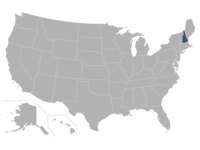
Concord, NH