
New Mexico Office of Housing touts nearly 2,800 new housing units in first year of operation
Nov 25, 2026 | 6:00 pm ET
Description
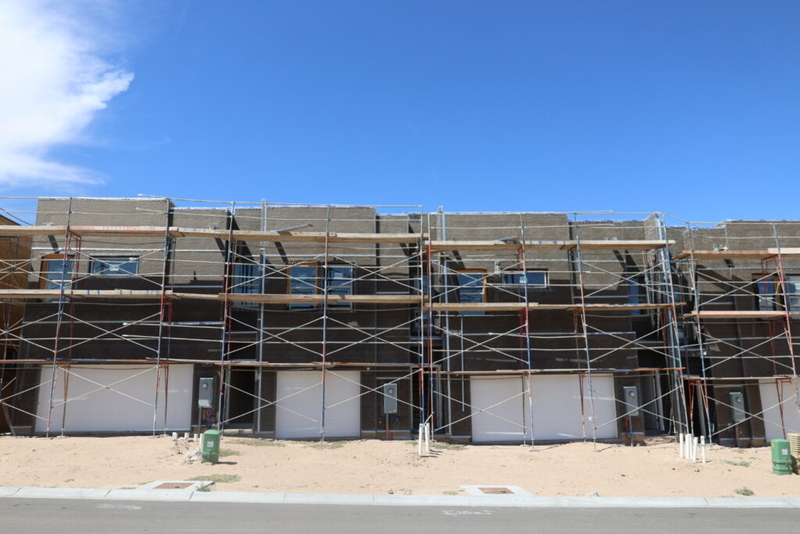
The New Mexico Office of Housing on Nov. 24, 2026, announced it had spent more than $135 million and supported the creation of 2,758 housing units in its first year of operation. (Photo by Patrick Lohmann/Source NM)
In its first fiscal year of operation, the New Mexico Office of Housing has spent more than $135 million and helped create nearly 2,800 new housing units across the state, leaders announced this week.
The New Mexico Legislature created the Office of Housing in 2025 and attached it to the state Department of Workforce Solutions. The office, which employs a handful of full-time housing officials, has received more than $150 million in funding in a time of historic housing-related investments from the Legislature.
Prior to that, lawmakers and Gov. Michelle Lujan Grisham had worked for several years to create a statewide housing entity that coordinated projects, collected data and worked on state-level housing solutions. The state currently lacks at least 58,000 affordable housing units, and homelessness and rents have increased in recent years above the national average.
Department Secretary Sarita Nair, who will soon become New Mexico Gov.-elect Deb Haaland’s chief of staff, announced Tuesday that the office had completed an annual report for its first year of operations and launched a new data-sharing website that details its spending and operations.
“Addressing New Mexico’s housing challenges requires coordination, transparency, and sustained investments,” Nair said in a statement. “The website gives New Mexicans a way to see the work underway, understand how state resources are being used, and access information that can help communities move housing solutions forward.”
According to the department, the office has helped fund 2,758 new housing units. That includes affordable rental and homeownership units, as well as 156 units of supportive housing, which pairs shelter with access to services like case management or mental healthcare:
The department has also supported more than 1,000 shelter beds, according to the report.
New Mexico governor once again tries to create Office of Housing
It’s also supporting work to gather more information about the larger housing landscape.
New America, a nonprofit public policy think tank, selected New Mexico as one of 11 states to join its Eviction Data Response Network, which aims to strengthen eviction information systems.
The Office of Housing in turn provided the New Mexico Center on Law and Poverty $150,000 in matching funds for the center to take on a two-year eviction data collection initiative. Maria Griego, the center’s economic equity director, told Source NM that the aim is for a public-facing website with as much information about eviction trends and local data as possible.
Currently, researchers or advocates like Griego have little access to data regarding approximately 13,000 New Mexicans who were evicted last year. Information regarding their demographics, household size or how they owed in rent is difficult to collect and parse, Griego said.
Data related to evictions affecting children is of particular interest, Griego said, including which school districts experience the largest number of evictions.
Griego also said she hopes the data will highlight the state’s three-day eviction notice period. Under current law, landlords can move to evict a tenant three days after serving them notice of nonpayment.
“Even if you have the money available on the fourth day, they don’t have to accept it and you can be evicted,” she said. “We think that this new project will really help shed a light on how much are folks in arrears, how much investment we need to be making into eviction prevention.”
Griego said she expects lawmakers will introduce legislation at the upcoming session that will lengthen the three-day period, which she said is one of the shortest such periods in the country.
Lawmakers and advocacy groups have also called for legislation during the upcoming 60-day session beginning Jan. 19 that strengthens the office or potentially transforms it in statute to a state housing division, one with more resources and authority.
“We’re so excited that they exist,” Griego said of the new housing office, which she described as a “great step forward” in looking at the state’s housing issues. “And we look forward to continued partnership with them, hopefully, working on a number of housing initiatives.”
Santa Fe, NM