Rep. Pearson sues Memphis alleging First Amendment violation
Oct 15, 2026 | 3:09 pm ET
Description
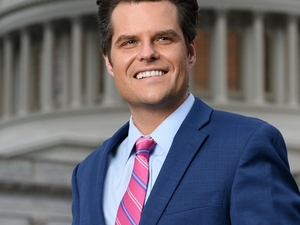
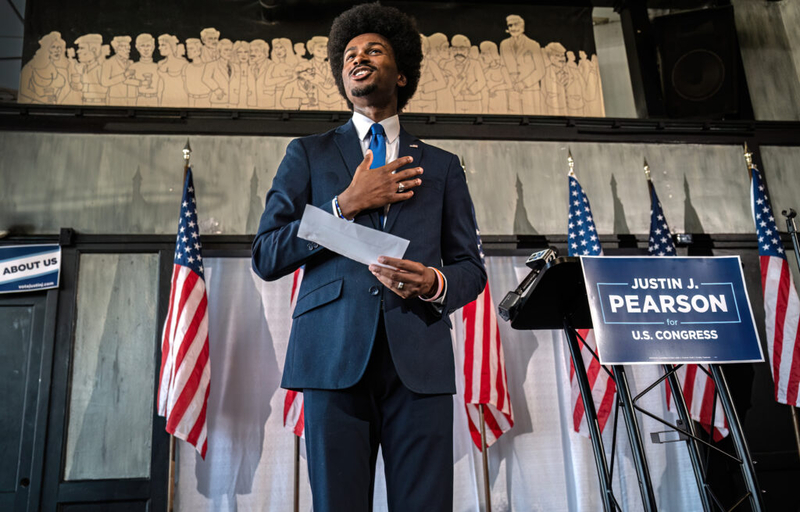
State Rep. Justin J. Pearson, who is also the Democratic nominee for Tennessee's 9th Congressional District, is suing the city of Memphis over his two-meeting ban from Memphis City Council. (Photo: John Partipilo/Tennessee Lookout)
After being banned from Memphis City Council meetings, state Rep. Justin J. Pearson filed suit Tuesday against the city alleging the action violates the First Amendment.
In the suit, which was filed in the U.S. District Court of West Tennessee, Pearson and six other plaintiffs, including his brother, Keshaun Pearson and mother, Kimberly Owens-Pearson, allege Memphis City Council’s public comment policies unconstitutionally restrict free speech.
“Every person, whether you disagree with them or not, is entitled to speak their opinion and give their ideas in public forms,” Pearson said. “There is no right that gives a City Council chairwoman or anyone else the ability to go beyond the bounds of Tennessee law and the United States Constitution to discriminate or retaliate against those who do not agree with their actions.”
Pearson, the Democratic nominee for the 9th Congressional District seat being vacated by retiring U.S. Rep. Steve Cohen, is running against Republican state Sen. Brent Taylor.
An Oct. 8 letter signed by Council Chairwoman Jana Swearengen-Washington and other city council officials notified the Pearsons and community activists Amber Sherman, LaJuana Abraham and Jasmine Bernard they were banned from the Oct. 10 and Nov. 10 council meetings.
The action came after a contentious Oct. 6 meeting in which community members packed the council chambers and vocally protested after the body deferred a vote to issue a moratorium on approval of data centers.
The suit alleges Taylor posted a copy of Justin Pearson’s ban letter to social media before Pearson received a copy.
The Memphis City Council’s Rules of Procedure include a section on “decorum,” which says speakers participating in public comment “shall not make personal, impertinent, slanderous or profane remarks to any member of the Council, staff or general public.” Enforcement of the policy can result in the speaker being barred from further participation in the relevant meeting, but lays out no guidelines for banning a member of the public from future meetings.
Requests for comment from Swearengen-Washington were not returned by publication time.
The lawsuit
Nashville, TN